Text Size
Menu
close
As a universal asset owner, UNJSPF is uniquely positioned to influence capital markets and drive systemic change. By leveraging our global scale and integrating environmental and social risks into investment decisions and actively seeking impact opportunities, we aim to contribute meaningfully to a more sustainable and equitable world.
To learn more, access our impact investing policy and most recent impact report.
On 24 December 2021, the General Assembly of the United Nations adopted Resolution 76/246, requesting that the UNJSPF explore impact investing across all its asset classes.
Our inaugural Impact Investing Report offers in-depth insights into our impact management strategy, the allocation of impact investments for 2024, and features case studies highlighting our approach to impact investing.



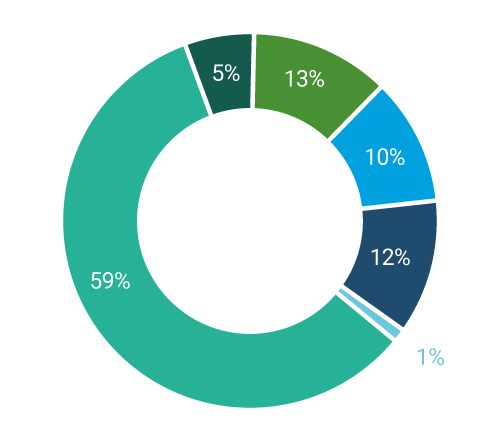
Portfolio composition by focus area
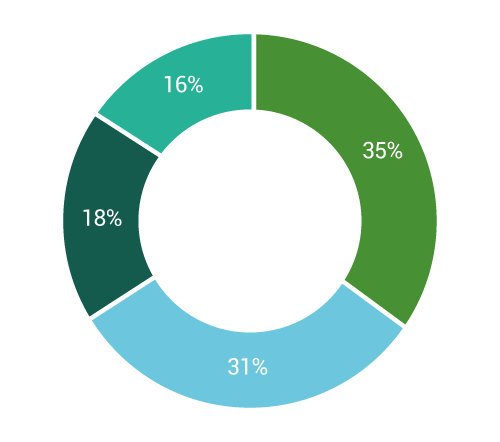
Impact investments by asset class
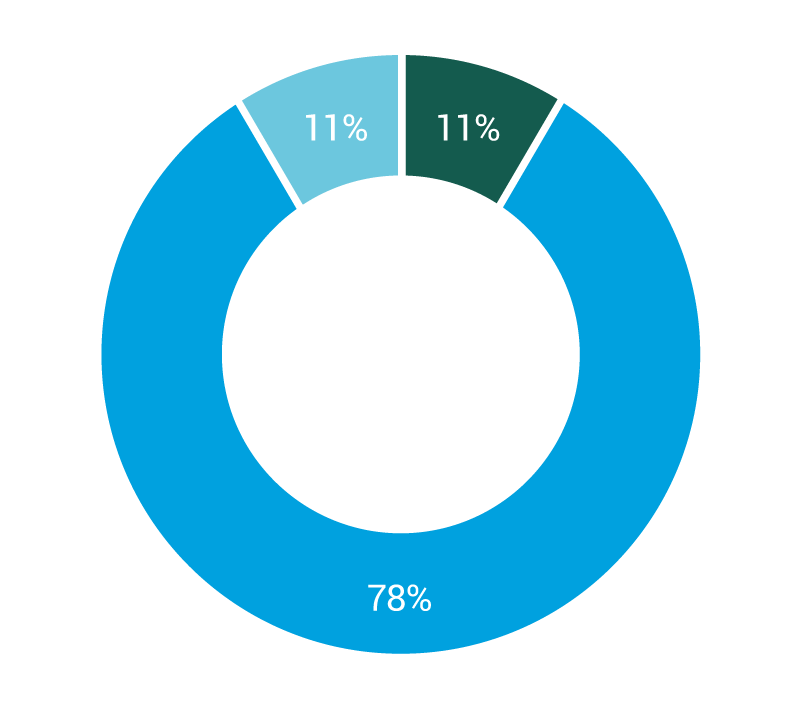
Impact investments by geography
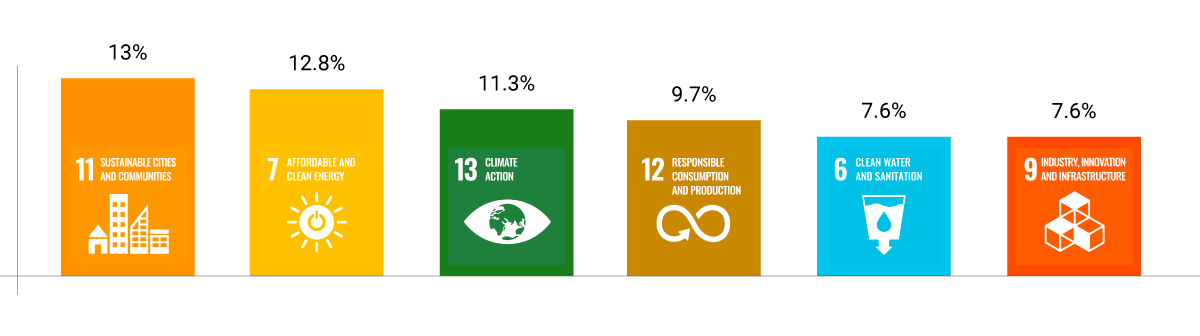
SDG alignment (% of impact portfolio)

Our core themes are where global nee and our ability to make a difference intersect. We deploy impact capital and measure impact performance across each of these four themes. Discover real-world results and inspiring stories in our 2024 Impact Report.

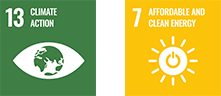
Climate Change & Energy Transition
Clean mobility, clean energy, battery storage, adaptive infrastructure

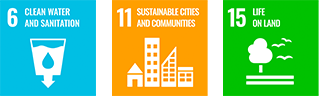
Natural Resources
Water management, circular economy, regenerative agrilculture

Fundamental Needs & Infrastructure
Affordable housing, healthcare, food security
Community Empowerment & Development
Financial inclusion, education, decent jobs

145,093
Tonnes of CO2e emissions avoided

19,053
Hectares under sustainable mgmt

265,000
Farmers supported

128,047,661
Healthcare patients reached

3,598,824
Learners provided with access to education and vocational training

71,451
Jobs created for unemployed individuals
As a universal asset owner with a global mandate and a long-term horizon, the UNJSPF is uniquely positioned to drive systemic change. In addition to allocating capital, we seek to contribute further by shaping industry-wide impact investment practices. This strategy applies across our portfolio—public and private markets, equity and fixed income— and is adapted to the tools and levers available within each asset class.
In addition to making impactful investments, we define our contribution by three pillars:
We address systemic risks by integrating ESG analysis in investment decision-making across the Fund, exercising responsible stewardship over investments, and making multi-asset class investments in impact opportunities.
We participate in key impact investing, ESG and climate investing initiatives, including PRI, Net-Zero Asset Owner Alliance (NZAOA), among others.
We signal the importance of and feasibility of investments outside of the developed markets context for example, by making local currency fixed income investments and investments in supranational bonds issued by Multilateral Development Banks (MDBs).
We take a global approach to investment selection during the screening and selection process, including through direct investment in labelled bonds issued by developing countries.
We contribute to the advancement of impact practice by signaling to managers UNJSPF’s prioritisation of impact rigor alongside financial return via robust due diligence and impact assessment across asset classes.
We conduct rigorous Impact and ESG on prospective managers and investments that is calibrated to asset class, communicating UNJSPF’s expectations for sustainability-related practice.
UNJSPF's IM framework provides a rigorous, structured system of processes and tools to screen, assess, measure and report on impact investments across all asset classes. The IM framework aligns with global best practice and embeds impact considerations from sourcing and assessing opportunities to managing them to achieve intended impact outcomes. Reference frameworks and industry initiatives include: